August 19, 2025/
No Comments
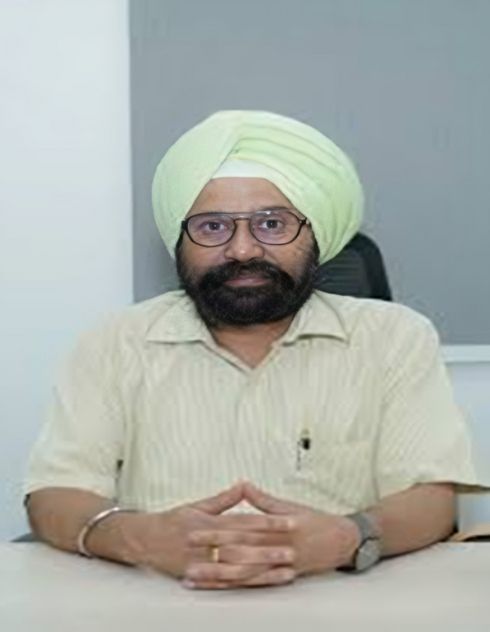
Dr. PTV Lakshmi Professor, Pondicherry University Dr. PTV Lakshmi is a distinguished professor at Pondicherry University, specializing in the...
1. Microbial Genomics & Evolution: Genome sequencing, diversity, and comparative genomics.
2 . Metagenomics & Microbiomes: Human, animal, plant, and environmental microbiome studies.
3. Microbes in Health & Diseases: Infection biology, antimicrobial resistance, and therapeutic applications.
4. Environmental Microbial Genomics: Genomics driven approaches for investgating soil and water microflora, waste water surveillance.
5. Industrial & Biotech Applications: Bioremediation, bioenergy, and synthetic biology innovations.
6. Data Science & Future Directions: AI/ML for metagenomics, big data integration, and ethical issues.
1. Frontiers in Multi-Omics: Integration of genomics, transcriptomics, proteomics, metabolomics, and systems biology.
2. Epigenetics & Gene Regulation: Chromatin biology, non-coding RNAs, DNA/RNA modifications, and cellular plasticity.
3. Health & Disease Applications: cancer epigenetics, neuro-epigenomics, developmental disorders, and precision medicine.
4. Environmental & Lifestyle Epigenomics: Diet, stress, pollutants, and transgenerational inheritance.
5. Computational & AI Approaches: Big data analytics, predictive modeling, and network-based biology.
6 . Translational & Therapeutic Insights: Epigenetic drugs, biomarkers, personalized interventions, and regenerative medicine.
1.Genomics in Public & Population Health: Integrating genomic data for disease surveillance, risk stratification, and outbreak preparedness.
2.Policy & Regulation of Genomic Medicine: Governance of diagnostics, therapeutics, biobanks, and data sharing.
3.Ethics, Law & Social Implications (ELSI): Consent, privacy, genetic discrimination, and regulation of genome editing/AI.
4.Equity & Global Health Genomics: Reducing disparities, enabling access in low-resource settings, and inclusive genomic research.
5.Translational Innovation & Capacity Building: Advancing biomarkers, precision health guidelines, workforce development, and genomic literacy.
1. Integrated Bioinformatics for One Health
Human-animal-environment data integration, zoonotic disease surveillance, antimicrobial resistance.
2. Human & Veterinary Health Applications
Precision medicine, diagnostics, drug discovery, livestock genomics, and digital veterinary platforms.
3. Environmental & Agricultural Bioinformatics
Crop and soil genomics, microbiome studies, biodiversity conservation, and ecosystem health.
4. Pandemic Preparedness & Global Health Security
Genomic surveillance, rapid vaccine/therapeutic development, and data-driven epidemic modeling.
5. Ethics, Policy & Sustainable Development
Data sharing, equity in research, capacity building, and bioinformatics for SDGs.
1.Genomics & Traditional Medicine: Genetic insights into medicinal plants, pharmacogenomics of herbal remedies, and molecular basis of ethnomedicine.
2.Integrative Approaches for Health: Combining traditional knowledge with modern omics for personalized and holistic therapies.
3.Point-of-Care Technologies (PoCT) for Diagnostics: Portable genomic platforms, rapid testing for infectious and chronic diseases, and field-ready solutions.
4.Translational Applications: Validation of traditional medicine using genomics, biomarker discovery, and developing evidence-based therapeutics.
5.AI, Digital Health & Data Integration: Bioinformatics, predictive tools, and linking genomics with PoCT for accessible healthcare.
6.Policy, Ethics & Global Health: Regulation of traditional medicine genomics, equitable access to PoCT, intellectual property, and community engagement.









PhD Scientist-F ICMR-National Institute of Research in Tribal Health